5x5 Easy Nonograms
Small beginner-friendly picture logic puzzles for learning Nonogram clues.
Download PDFPrintable Nonogram PDFs
Download clean Nonogram puzzle sheets for paper solving. Choose 5x5, 10x10 or 15x15 picture logic grids in easy, medium and hard difficulty, with matching solution pages included.
Choose a grid size and difficulty, print the clue pages, and solve each picture by filling cells from the row and column numbers.
Small beginner-friendly picture logic puzzles for learning Nonogram clues.
Download PDFCompact grids with more counting practice while staying quick to solve.
Download PDFA comfortable next step with clearer pictures and manageable clues.
Download PDFBalanced printable Nonograms for regular paper-solving sessions.
Download PDFFuller printable Nonograms with more visual progress and clue logic.
Download PDFEach file includes puzzle pages and matching solution pages.
Puzzle books
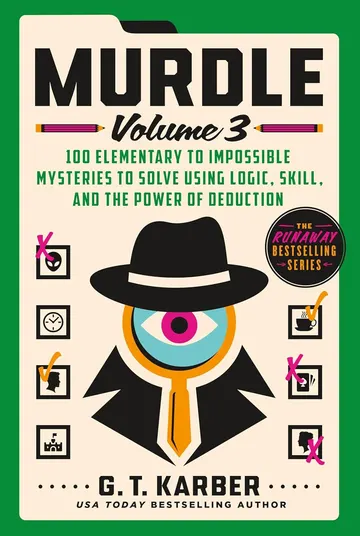 Murdle: Volume 1100 illustrated whodunits you crack with a logic grid — a mystery novel you actually solve.View on Amazon →
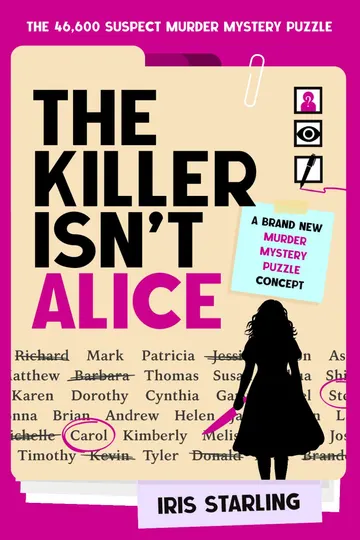 The Killer Isn't AliceMurder-mystery logic puzzles that link into one bigger case — follow the clues to the culprit.View on Amazon →
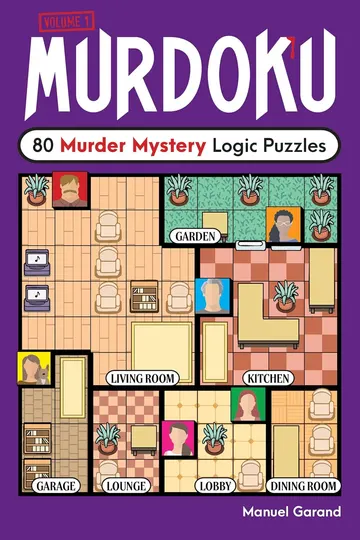 MurdokuSudoku with a story: fill the grid and the solution names the killer.View on Amazon →
As an Amazon Associate we earn from qualifying purchases.
Escape rooms at home
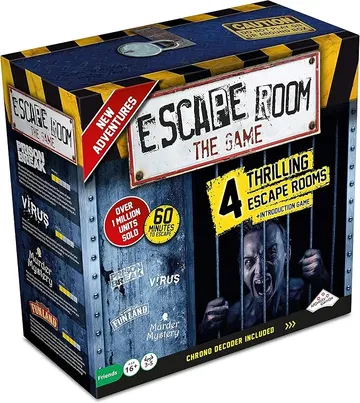 Escape Room The Game, Version 2Three sealed escape rooms you play at the table against the clock — no app, no setup.View on Amazon →
 National Parks Mystery AdventureA trail-hopping mystery you solve from the couch with maps, codes, and handed-off clues.View on Amazon →
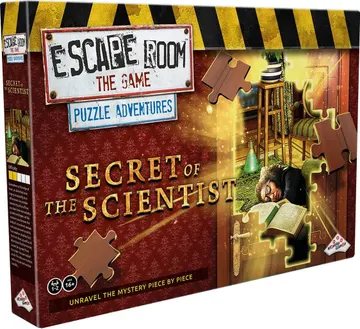 Secret of The ScientistA locked lab and a vanished researcher — work the puzzles and crack the case in an evening.View on Amazon →
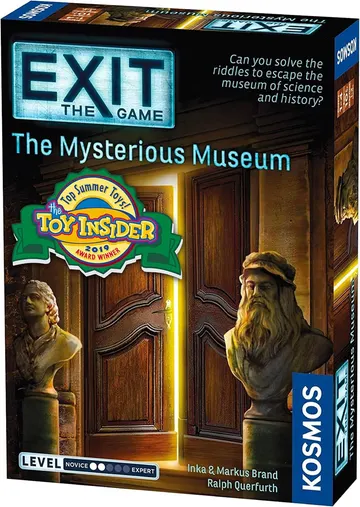 Exit: The Mysterious MuseumLocked in after hours, the exhibits hold the way out — a clever escape kit for 1–4 players.View on Amazon →
As an Amazon Associate we earn from qualifying purchases.
A Nonogram is a picture logic puzzle played on a grid. The numbers beside each row and column tell you the lengths of filled-cell groups in that line, in order.
Printable Nonograms are ideal for paper because you can mark filled cells, cross out confirmed empty spaces, and work through the clues at your own pace.
Each clue lists the lengths of the filled blocks in that row or column, in order, with at least one empty cell between blocks. The skill is turning those numbers into certain cells. Always start with the most constrained lines: when the blocks plus the gaps between them fill the whole line, you can complete it in one move.
When a single block is longer than half its line, the overlap technique guarantees some filled cells. Picture sliding the block as far to one end as it goes, then as far to the other; any cell covered in both positions must be filled. Mark certain filled cells solid and certain empty cells with a dot or cross, then re-read the crossing clues, because every mark you add narrows the lines that cross it.
Start with 5x5 easy if you are new to Nonograms. The short rows make clue counting simple, and you can see the pattern emerge quickly.
The 10x10 PDFs are a strong everyday choice for solvers who understand the rules. The 15x15 PDFs are better for longer sessions, clearer pictures and more layered deduction.
Begin with rows or columns where the clues nearly fill the whole line. Those lines often reveal certain filled cells immediately through overlap.
Mark empty cells as carefully as filled cells. Confirmed blanks are often what separate clue groups and make the next deduction possible.
Every printable Nonogram PDF includes matching solution pages. Puzzle numbers and solution numbers line up, so checking a single puzzle is simple.
The PDFs use a language-neutral numbered layout inside the file, which lets the same downloads work across the English, French, Spanish and German pages.
FAQ
Yes. The Nonogram PDF files on this page are free to download and print for personal use.
Yes. Each printable Nonogram PDF includes matching solution pages.
Start with 5x5 easy Nonograms, then move to 10x10 when row and column clue counting feels comfortable.
Yes. You can also play fresh Nonogram puzzles on the online Nonogram page.
They are the lengths of the consecutive filled blocks in that row or column, in order, separated by at least one empty cell. A clue of “4 2” means a block of four, a gap, then a block of two.
Yes. Marking cells you know are empty, with a dot or cross, is as important as filling cells, because it constrains the crossing clues and stops you making mistakes.